Nail fungus dont Ignore it
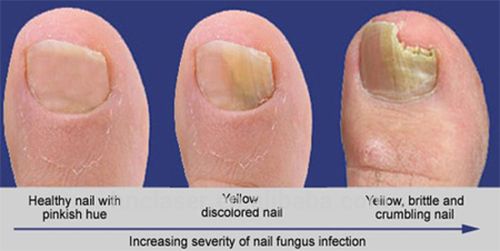
Nail fungus is a common condition that begins as a white or yellow spot under the tip of your fingernail or toenail. As the fungal infection goes deeper, nail fungus may cause your nail to discolor, thicken and crumble at the edge. It can affect several nails.
If your nail fungus is painful and has caused thickened nails, self-care steps and medications may help. But even if treatment is successful, nail fungus often comes back.


Nail fungus is also called onychomycosis (on-ih-koh-my-KOH-sis).
| "Foot pain. Over time, a nail infected with fungus can
become thick and misshapen, causing pain, Dr. Joseph says. It
can even make it difficult to walk when wearing shoes, according
to the American Podiatric Medical Association.
Spread of the fungus. Sometimes untreated toenail fungus can spread to the surrounding skin on the foot. This may result in athlete’s foot, a condition marked by itchy, red, cracked skin. “If you wear shoes and socks all day and one of your toenails is infected, it can spread quite easily because fungus thrives in a warm, dark, moist environment,” Joseph says. The fungus can also spread to the genitals, where it becomes jock itch, a condition that can affect both men and women, according to the American Osteopathic College of Dermatology." |
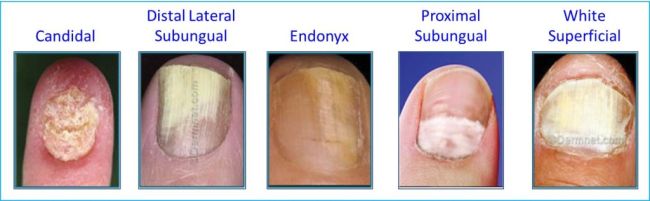
Some examples of the most common forms of onychomycosis:
You are not alone
It is estimated that over 10% of the population suffers from onychomycosis. That means approximately 6.3 million people in the UK have this problem, right now. And for most, it’s an unsightly secret that slowly gets worse and worse, spreading across toes or fingers and of course, to other family members. Source
Causes
Fungal nail infections are caused by various fungal organisms (fungi). The most common cause is a type of fungus called dermatophyte. Yeast and molds also can cause nail infections.
"Research done by PinPointe,
which is based in Chico, Calif., identified more than 100 organisms,
including fungi, yeast, mold and bacteria, that work together
to cause toenail fungus."
|
Fungal nail infection can develop in people at any age, but it's more common in older adults. As the nail ages, it can become brittle and dry. The resulting cracks in the nails allow fungi to enter. Other factors — such as reduced blood circulation to the feet and a weakened immune system — also may play a role.
Toenail fungal infection can start from athlete's foot (foot fungus), and it can spread from one nail to another. But it is uncommon to get an infection from someone else. Source
Before And After
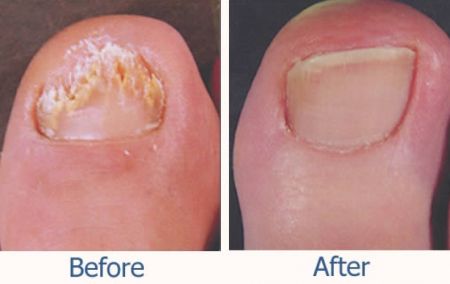
"In one small study about laser treatment for toenail fungus, which appeared last year in the Journal of the American Podiatric Medical Association, “26 eligible toes (ten mild, seven moderate, and nine severe)” were treated with a laser produced by Nomir Medical Technologies, which is still seeking FDA approval. After six months, 85 percent of the toenails had improved." |
According to the American Academy of Dermatology
"It’s easy to get a fungal nail infection. If you have a fungal infection on your foot, the fungus can spread to one or more of your nails. This is quite common.
You can also catch a fungal nail infection in a warm, moist place like a pool deck or locker room. If someone else has a fungal infection and walked barefoot there, all you have to do is walk barefoot in the same area.
Having wet nails for a long time can also lead to nail fungus. Some people develop it when they wear the same pair of sweaty shoes or boots every day. Fingernails that are wet for hours at a time due to a job or hobby are also susceptible. "
Treatment can prevent the infection from causing more damage to your nails.
If you have diabetes or a weakened immune
system, treatment is especially important. After getting a
fungal nail infection, people who have diabetes have an increased
risk of developing sores that do not heal. Sores that do not
heal can lead to a serious health problem. It’s important
to see a dermatologist (or other doctor) at the first sign
of a nail problem.
|
"Fungal nail infections further complications. , if the infection is left untreated, it may cause pain and discomfort. In toenails, this can eventually lead to difficulty wearing shoes and walking. In fingernails, this could cause difficulty writing. If the infection spreads to the skin around the nail, it can result in cellulitis (bacterial infection under the skin) or osteomyelitis (infection of the bone). These complications more commonly occur among older people and people with health conditions."
"The elderly are more likely to have toenail
fungus than younger people because they have had more years to
be exposed to the infection and their immune systems can’t
always fight it off, according to Washington podiatrist Lee Firestone.
He estimates that about half of people over 70 have toenail fungus."
|
Pre-Existing Medical Conditions
"If you have pre-existing health conditions, a toenail fungus can lead to serious complications. One of the most common health conditions associated with toenail fungus and its dangers is diabetes.
When you have diabetes or any other condition that can weaken the immune system, it’s so important to treat a toenail fungus immediately. Because of a compromised immune system, you run the risk of the fungus spreading. If it’s able to do that, other parts of your body can easily become infected.
“Podiatrists frequently cite this as a cause of diabetic amputations,” Dr. Elewski said. “The fungus paves the way for bacteria, and it can definitely be a problem.”Source |
If you do have a pre-existing condition with a weakened immune system, allowing a toenail fungus to spread can fuel other health complications. While the fungus itself may not be the cause of the health issues, it’s a great catalyst to fuel the symptoms that can come with many types of conditions"
"Richard, a retiree in Fairfax who
did not want his full name associated with toenail fungus,
got a laser treatment on all 10 toes in April 2010, and he
says his nails were fully cleared of the yellowed, thickened
look after a year. "
|
"If the infection does spread and gets into exposed areas of the skin, it can seep into your bloodstream, and become deadly. If you notice your toenail fungus spreading at all, with blistering, cracking skin, see your doctor about antibiotics for the infection as soon as possible."
"What are the possible side effects of terbinafine (Lamisil) Oral antifungal drugs? "Terbinafine is an antifungal antibiotic. Terbinafine is used to treat infections caused by fungus that affect the fingernails or toenails. Terbinafine oral granules are used to treat a fungal infection of scalp hair follicles in children who are at least 4 years old." "Oral antifungal drugs may cause side effects ranging from skin rash to liver damage. You may need occasional blood tests to check on how you're doing with these types of drugs. Doctors may not recommend them for people with liver disease or congestive heart failure or those taking certain medications." Source "Get emergency medical help if you have any of these signs of an allergic reaction: hives; difficulty breathing; swelling of your face, lips, tongue, or throat. Call your doctor at once if you have symptoms of liver damage," Source |
“The problem is huge. It is bigger than you can imagine,” says Washington podiatrist Stephen J. Kominsky. “I would say 70 percent of the patients who come into my office have fungal infections on their toenails.”
There may be hope. Podiatrists have begun using a laser treatment that combats the infection
The treatment, in which the podiatrist aims a laser beam at the patient’s toenails to kill the organisms that cause the fungus, costs about $1,000 and is not covered by insurance because it is considered an aesthetic procedure. The nails aren’t immediately clear after the treatment, which takes up to an hour; the patient must wait for the fungus-free nails to grow out.

Last year, the Food and Drug Administration
cleared the first laser, for “temporary increase of clear
nail” in patients with onychomycosis, the medical term
for a fungal infection of the nail. The FDA cleared a second
one, in April.
|
The best way to avoid other health issues when you have a toenail fungus is to treat the fungus as soon as possible.
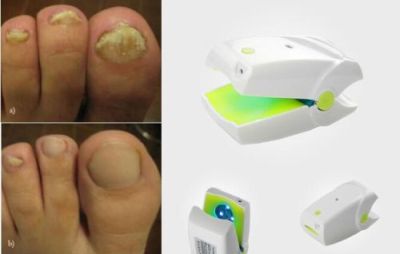
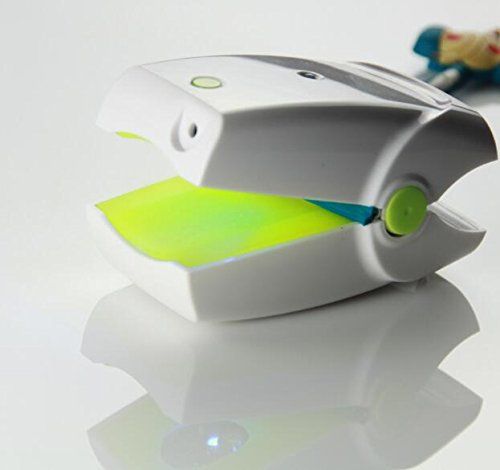
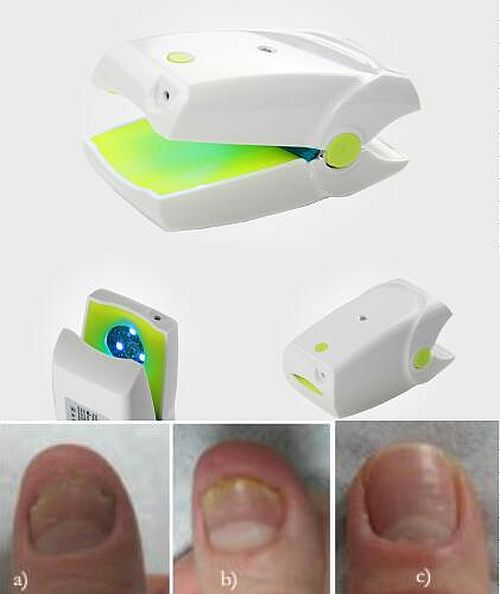
Home Use Laser Treatment of Fungal Nail Disease 905nm laser with 465nm
blue light
HNC 905nm laser therapy device to treat nail fungal infections (Onychomycosis,
which combines pulse laser radiation and blue light energy, resulting
in a synergetic therapeutic effect.
Kominsky has treated 400 to 500 patients
with the laser. Compared with oral medication, he says, “the
odds of success are better with the laser; plus, there’s
no side effects.”
|

How a Lasers Works
"The laser is a concentrated beam of light energy that vaporizes tissue in the area of treatment, according to Toenail Fungal Treatments. Different wavelengths of energy are used in order to selectively treat different body areas. The fungus is targeted and destroyed by the laser, allowing the nail and surrounding skin to remain intact. The laser beams heats the fungus, killing it, without affecting the surrounding tissue. Studies have shown promising results."
Treatment Procedure and Costs
The treatment can be performed in the office and takes approximately 20 minutes. Three separate visits may be required, according to Dr. Marc Katz, a podiatrist practicing in Tampa, Fla. The laser beam operates at two separate wavelengths to destroy any pathogens. No anesthesia is required to perform the procedure. To date, this procedure is not covered by medical insurance and can be expensive. Toenail fungus is considered to be a cosmetic disease. Laser treatment can cost $1,000 to $2,500 and must be paid by the patient. Now you can treat yourself at home for under $US200.00 |
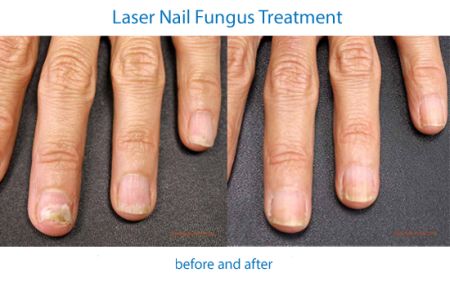
Laser irradiation will penetrate the infected nail plate and will target causative pathogens residing on the nail bed. As a result, the infection will be greatly alleviated and gradually eliminated.
"According to Park Plaza Foot Specialists of Houston, the laser procedure is not painful. It reports no health or age restrictions for having laser treatment performed on fungal toenails. It says there have been no clinical reports of any side effects or adverse reactions, and that shoes and nail polish can be worn directly following treatment. "

Fungus Free
 |
FAQ:
1. What will i feel during treatment?
People will usually feel nothing. In rare cases some may feel
a slight warming effect.
2. When will nail health improvement
be evident?
Treatment duration may vary between individuals, depending
on variables such as age, severity of infections and so on, Estimated
treatment duration is 3-6 months.
3. Can the laser burn me?
No, it’s Class 1M laser device, no reported burnings :)
Clinic test approved:
Laser treatment consisted of four sessions with one week interval, during which all infected nails were irradiated three times with laser light so that the nail plate was fully covered each time.
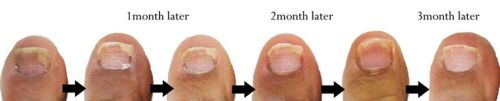
The procedure is simple and quick with no noticeable side effects and complications.
|
Home Laser Treatment of Fungal Nail Disease Nail laser unit 905nm laser
with 465nm blue light Operation Instructions: 1). Place the device on the infected nail and press the operating
button. |
Source https://www.washingtonpost.com